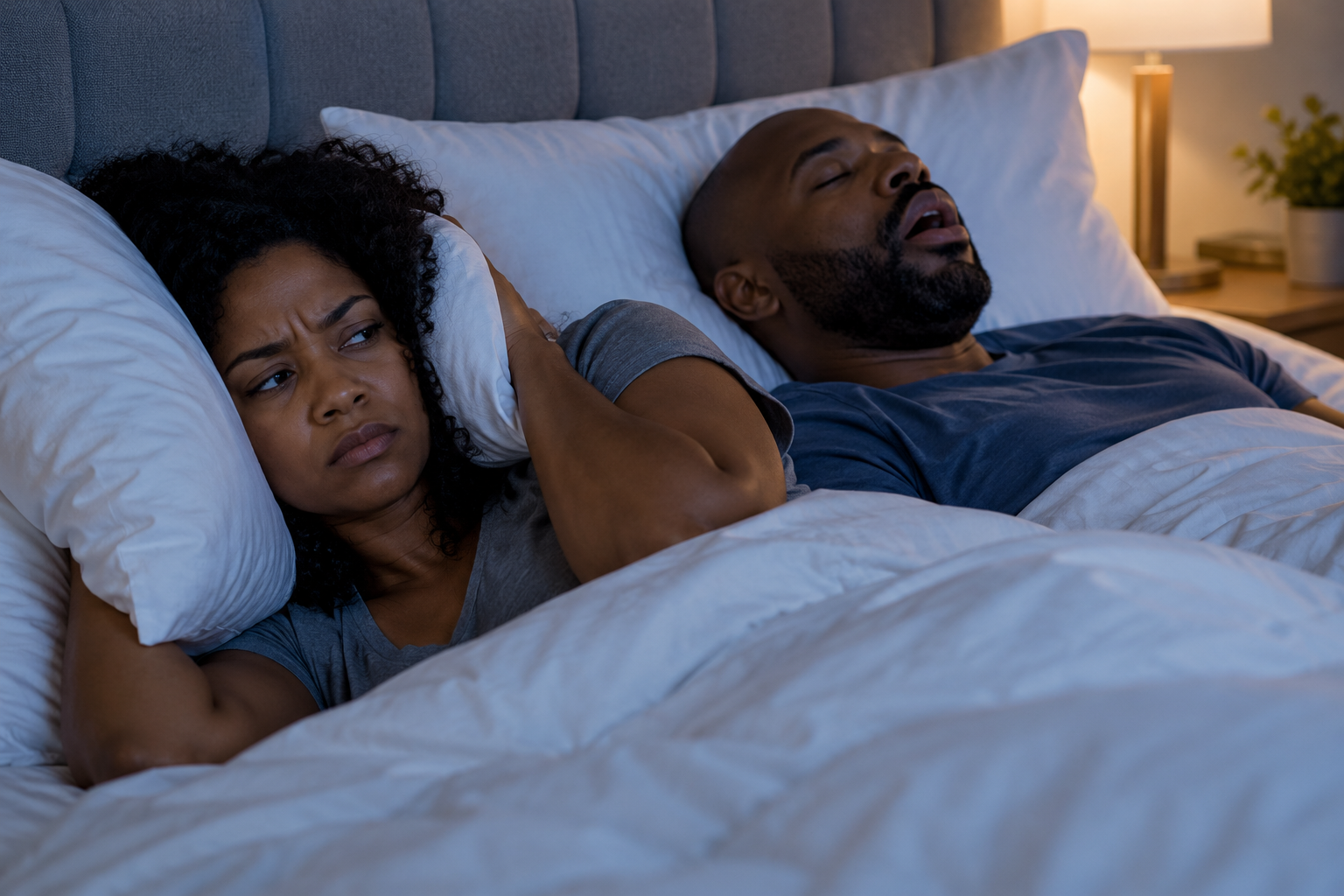
Loud snoring, waking up gasping for air and feeling exhausted after a full night’s sleep could be warning signs of sleep apnea. While these symptoms are often dismissed as poor sleep habits, they may indicate a serious sleep disorder that can affect your long-term health.
Obstructive sleep apnea (OSA) occurs when the airway repeatedly collapses or becomes blocked during sleep, causing breathing interruptions throughout the night.
Many people living with the condition don’t even realize they have it. In fact, approximately 80% of people with sleep apnea in the United States are undiagnosed, according to research cited by the American Academy of Sleep Medicine (AASM).
Understanding the symptoms, risk factors and potential health complications of sleep apnea can help individuals recognize when it’s time to seek medical attention.
What Is Obstructive Sleep Apnea?
Obstructive sleep apnea is a sleep disorder characterized by repeated interruptions in breathing caused by a blocked or collapsed airway.
When the airway becomes obstructed during sleep, the body briefly awakens to restore normal breathing. These interruptions may be accompanied by loud snoring, choking or gasping for air.
Although individuals may not remember waking up, the repeated disruptions can prevent them from getting the uninterrupted, restorative sleep their bodies need.
The AASM recommends that most adults get at least seven hours of sleep each night. However, untreated sleep apnea can make achieving consistent, quality rest difficult.
What Are the Common Signs and Symptoms of Sleep Apnea?
Sleep apnea symptoms can vary, but several warning signs may indicate that breathing is being interrupted during sleep.
According to Count on Sleep, a collaborative awareness program led by the AASM, common symptoms of obstructive sleep apnea include:
- Loud snoring or noisy breathing during sleep
- Pauses in breathing while asleep
- Waking up suddenly gasping or choking
- Restless sleep or waking up feeling tired
- Insomnia or difficulty staying asleep
- Frequent nighttime trips to the bathroom
- Morning headaches
- Excessive daytime sleepiness
- Difficulty concentrating or remembering information
- Mood changes and irritability
- Drowsiness while driving
While snoring is a common symptom of sleep apnea, it does not necessarily mean someone has the condition. However, persistent snoring accompanied by breathing interruptions or daytime fatigue may warrant further evaluation.
What Happens if Sleep Apnea Goes Untreated?
Untreated sleep apnea can have consequences that extend beyond feeling tired during the day.
Because the condition repeatedly disrupts breathing and sleep, it can contribute to several serious long-term health problems.
These include:
- High blood pressure: Also known as hypertension, high blood pressure is among the health conditions associated with untreated sleep apnea.
- Heart disease: Sleep apnea can contribute to cardiovascular health complications.
- Stroke: Untreated sleep apnea is associated with an increased risk of stroke.
- Type 2 diabetes: The disorder can contribute to health problems involving blood sugar regulation.
- Depression: Poor sleep and ongoing fatigue can affect emotional and mental well-being.
In addition to these health concerns, untreated sleep apnea can reduce overall quality of life.
Individuals may experience lower productivity at work, difficulty concentrating, impaired decision-making and increased irritability.
Excessive daytime sleepiness can also increase the likelihood of traffic accidents.
Can Sleep Apnea Affect Your Relationships and Daily Life?
Sleep apnea doesn’t just affect the person experiencing it. The disorder can also disrupt the sleep and well-being of family members.
Loud snoring and repeated breathing interruptions may keep a spouse or partner awake throughout the night.
Meanwhile, chronic fatigue, mood changes and difficulty concentrating can affect communication, relationships and everyday responsibilities.
Over time, these challenges may interfere with work performance, family interactions and overall quality of life.
Who Is at Risk for Obstructive Sleep Apnea?
Certain health conditions and physical characteristics may increase the likelihood of developing obstructive sleep apnea.
Recognized risk factors include:
- Overweight or obesity: A body mass index (BMI) greater than 30
- High blood pressure: Individuals with hypertension may have an increased risk
- Larger neck circumference: Greater than 17 inches for men or 16 inches for women
- Heart disease: Coronary artery disease or a history of heart attack
Understanding these risk factors can help individuals recognize their potential vulnerability to the disorder.
When Should You See a Doctor About Sleep Apnea Symptoms?
If you regularly wake up feeling exhausted, experience loud snoring or have been told that you stop breathing while asleep, consider discussing your symptoms with a healthcare professional.
Persistent daytime sleepiness, morning headaches and difficulty concentrating may also indicate that your sleep quality needs further evaluation.
A healthcare professional can assess your symptoms and determine whether additional testing for sleep apnea is appropriate.
Frequently Asked Questions About Sleep Apnea
Can you have sleep apnea without knowing it?
Yes. Many people with sleep apnea are unaware they have the disorder because breathing interruptions happen while they are asleep. They may notice daytime fatigue or morning headaches without realizing their breathing is being disrupted at night.
Is loud snoring always a sign of sleep apnea?
No. Not everyone who snores has sleep apnea. However, loud snoring accompanied by gasping, choking or pauses in breathing can be a warning sign.
Why am I still tired after sleeping all night?
Feeling exhausted after a full night of sleep may be a symptom of obstructive sleep apnea. Repeated breathing interruptions can disrupt sleep quality, even when someone spends seven or more hours in bed.
Can untreated sleep apnea cause serious health problems?
Yes. Untreated sleep apnea can contribute to health complications, including high blood pressure, heart disease, stroke, Type 2 diabetes and depression.
Better Sleep Starts With Recognizing the Signs
A good night’s sleep is essential to physical health, emotional well-being and daily functioning. However, getting enough hours of sleep doesn’t always mean you’re getting quality rest.
Recognizing the warning signs of sleep apnea is an important step toward understanding potential sleep-related health concerns.
If loud snoring, breathing interruptions or persistent fatigue have become part of your nightly routine, speaking with a healthcare professional may help identify the underlying cause.