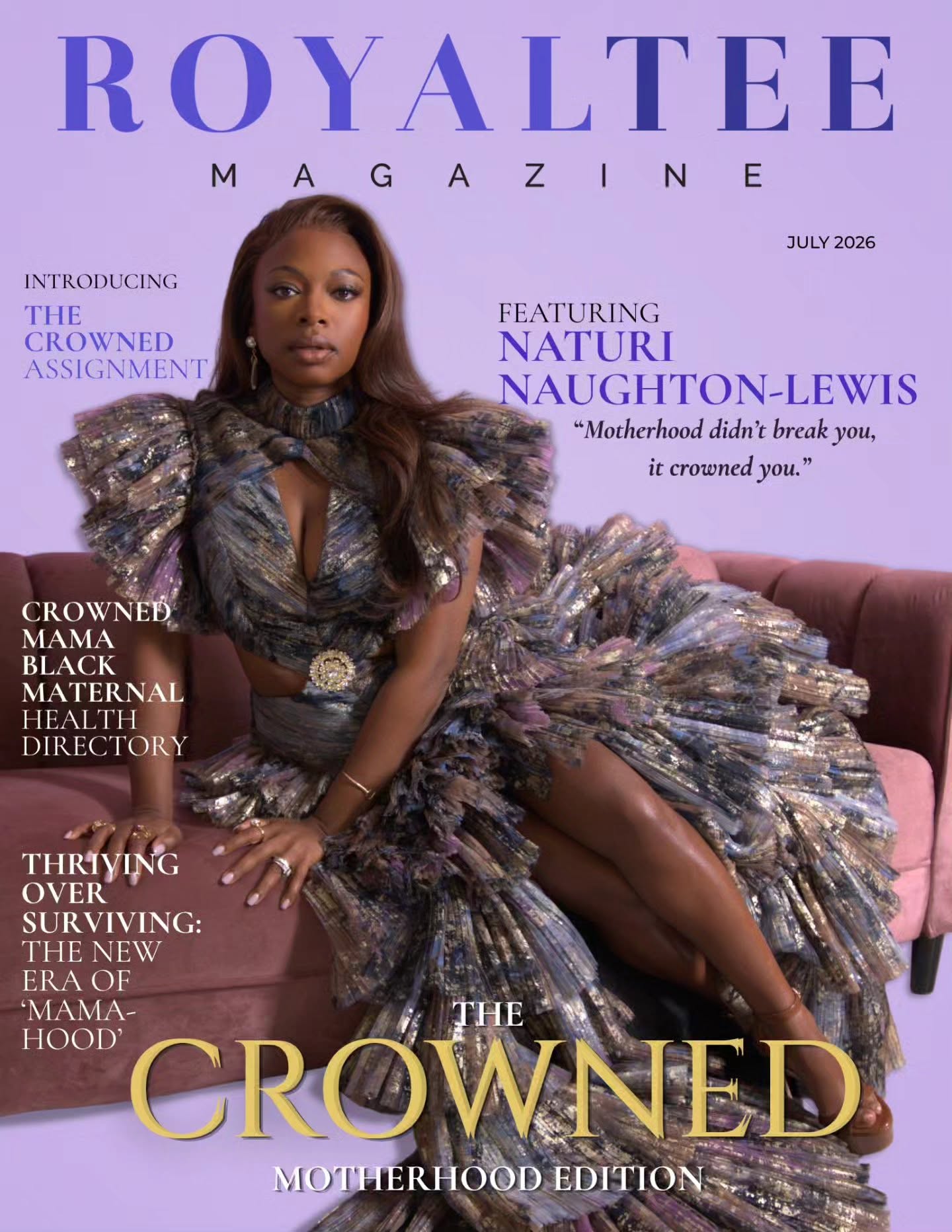
THE FOLLOWING IS AN EXCERPT FROM OUR SUMMER CROWNED MOTHERHOOD EDITION
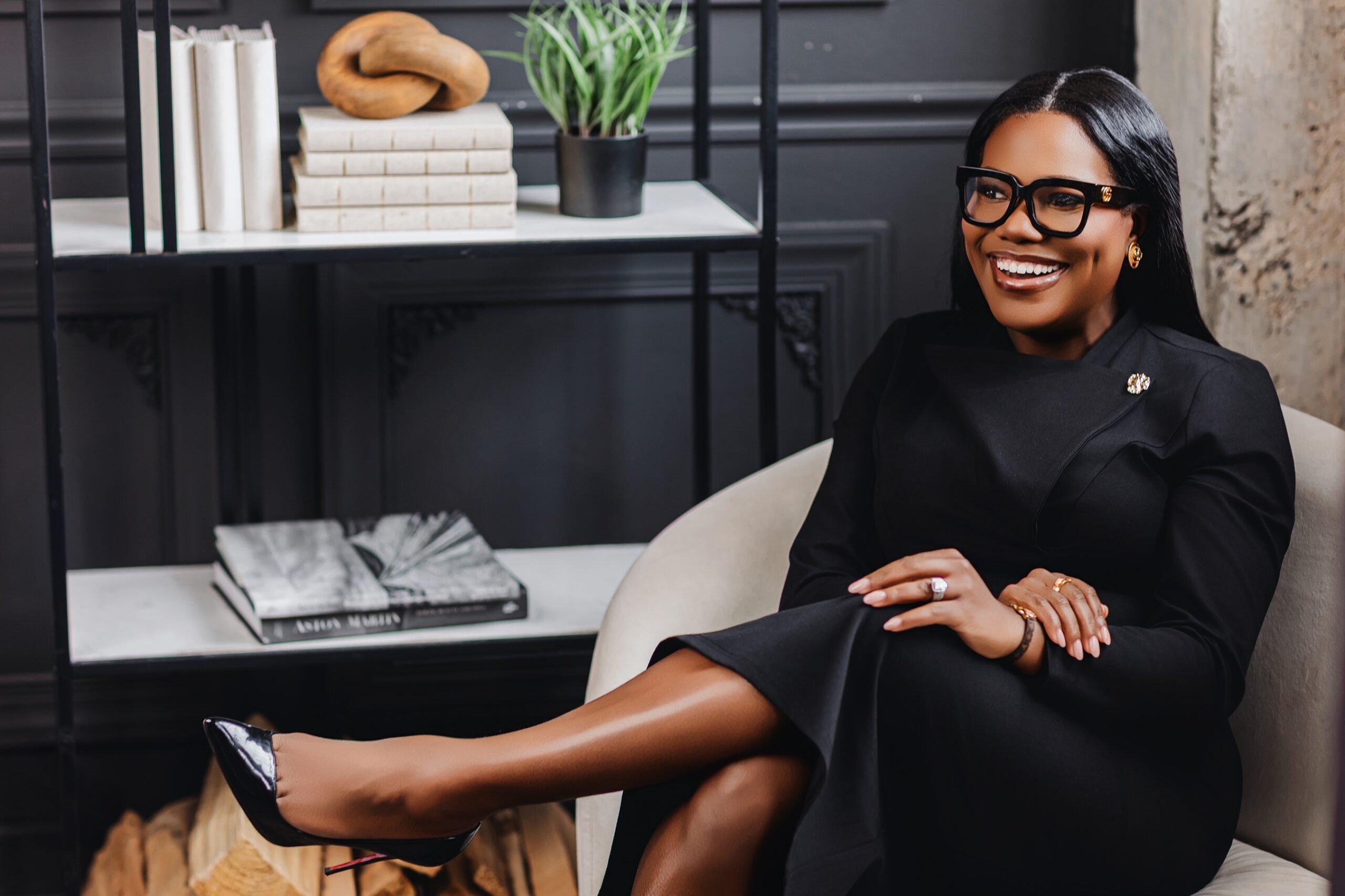
Ashley D. Varnado carried the mindset and behavior of many high-achieving women: showing up everywhere while quietly carrying the weight of everything.
The Jackson State University graduate rose through the ranks of corporate America to become one of the youngest African American managing directors at the Bank of America. She led national teams, managed multibillion-dollar portfolios, served on influential boards, and built a career that many would consider the definition of success.
But somewhere between the boardrooms, business trips, and endless responsibilities, Varnado found herself asking a question many working women quietly wrestled with: What happens when the life you’ve built begins competing with the life you want to live?
After nearly two decades in corporate leadership, Varnado is taking an intentional pause, in what she affectionately calls a “radical sabbatical.”
“It’s my halftime,” she says. “A chance to reevaluate what’s important and prepare for the second half.”
As a mother, she often found herself physically present but mentally somewhere else; answering emails while helping with homework, planning meetings while making dinner, or worrying about work while spending time with family.
“There were times where I would certainly feel the guilt of not being present or physically being in a place and not mentally being in a place,” says Varnado.
But 2025 became a wakeup call.
That year, she experienced two profound events that shifted her perspective forever. First came the unexpected loss of her mother-in-law, a pillar of support for her family. Shortly after, she suffered three strokes. Suddenly the woman who had spent years carrying everything realized she could no longer afford to carry it all.
“Life is fleeting, these kids are growing so fast,” she says. “And I didn’t want to waste another second on the hustle and bustle, and wanted to again be more present, given all of the experiences that we had just lived through.”
The Myth of the Strong Black Woman
Black women have long been celebrated for their strength. Dr. Cheryl L. Woods-Giscombé summed it up best in 2010 when she introduced the Superwoman Schema or SWS, a mental health syndrome that describes the societal and personal pressures Black women face to excel.
“We saw our aunts, our mothers, our grandmothers handle it all,” she says. “They perhaps didn’t have the careers that we have today, but they raised children somehow. They were able to keep everything in order.”
Varnado recalled watching her grandmother prepare elaborate holiday meals for an entire house full of family members. But by the time everyone sat down to eat, her grandmother was often too exhausted to enjoy the meal herself.
Licensed psychoanalyst and Chair and President of Harlem Family Services Rev. Sheila Poynter Johnson, LP, MPS says the superwoman schema is often mistaken as empowerment and praise.
“On the surface it appears to affirm our strength but beneath the praise I think it’s a more troubling demand,” says Johnson. “That Black women absorb pain without complaint, that we lead without rest, that we give without depletion and we save systems that rarely save us back.”
Check out the full feature is in our Crowned Motherhood edition featuring NATURI NAUGHTON-LEWIS
Click here to place your order!