Don’t let anybody sweep your feet. Don’t split the pole when you’re walking together.
Vases of water around the house, mirrors above doorways, pennies on doorframes, horseshoes hanging over entrances and don’t just throw away hair- either burn it or carefully dispose of it.
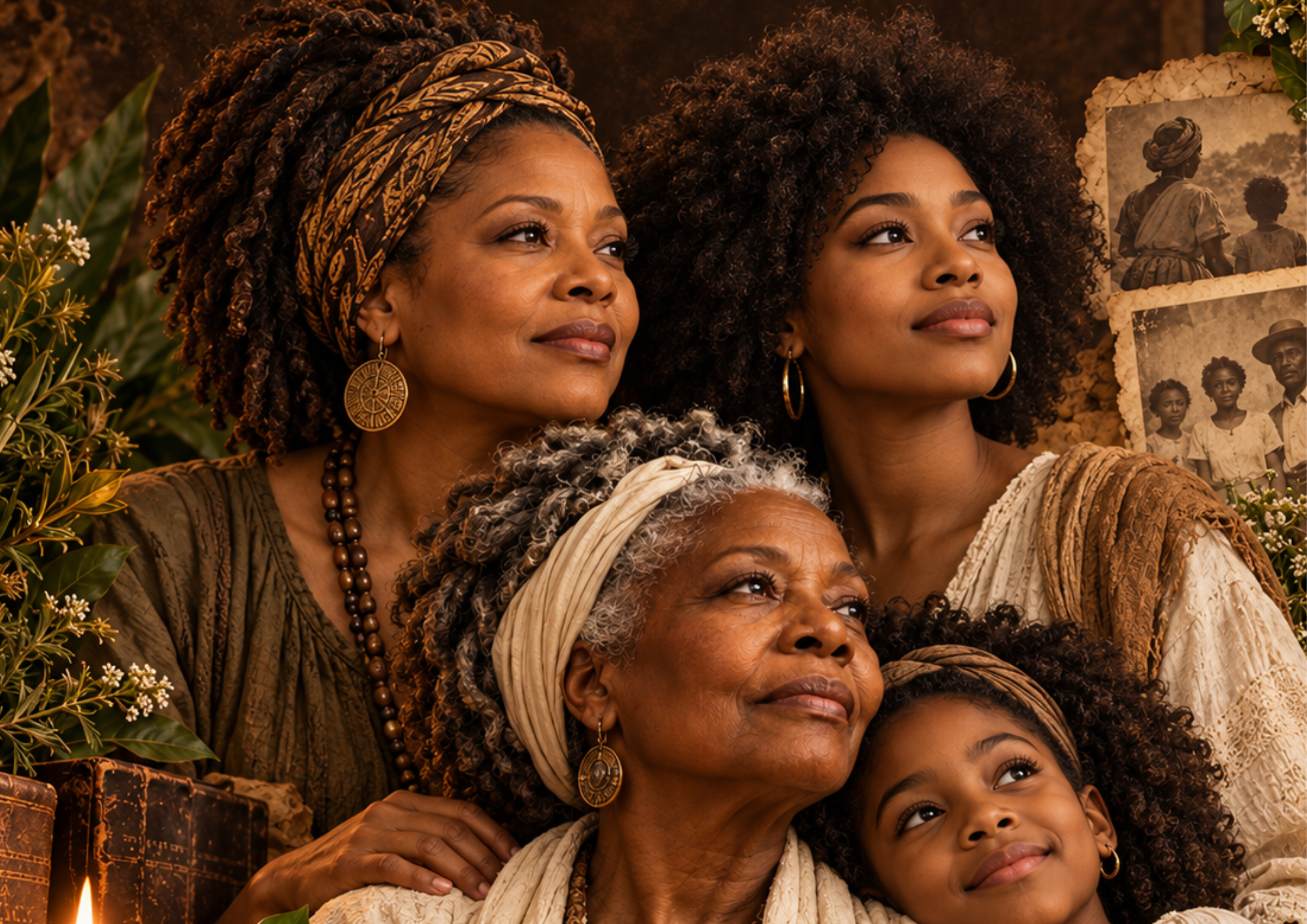
For generations, these warnings, rituals and household customs have been passed down through Black families, often without much explanation. Some were rooted in protection, others in spiritual beliefs or traditions inherited from those who came before.
For Noah, a Hoodoo practitioner and spiritual educator, these instructions were simply part of growing up.
“My connection to Hoodoo began long before I even knew what Hoodoo was,” Noah said. “Growing up, there were certain things my family did, certain rules we followed, and certain traditions that were simply understood. Nobody necessarily sat me down and said, “This is Hoodoo.” It was just part of our everyday lives.”
Today, the Las Vegas content creator, known as The Black Culdron on social media, is helping others recognize the cultural and spiritual significance behind traditions that may have once seemed ordinary.
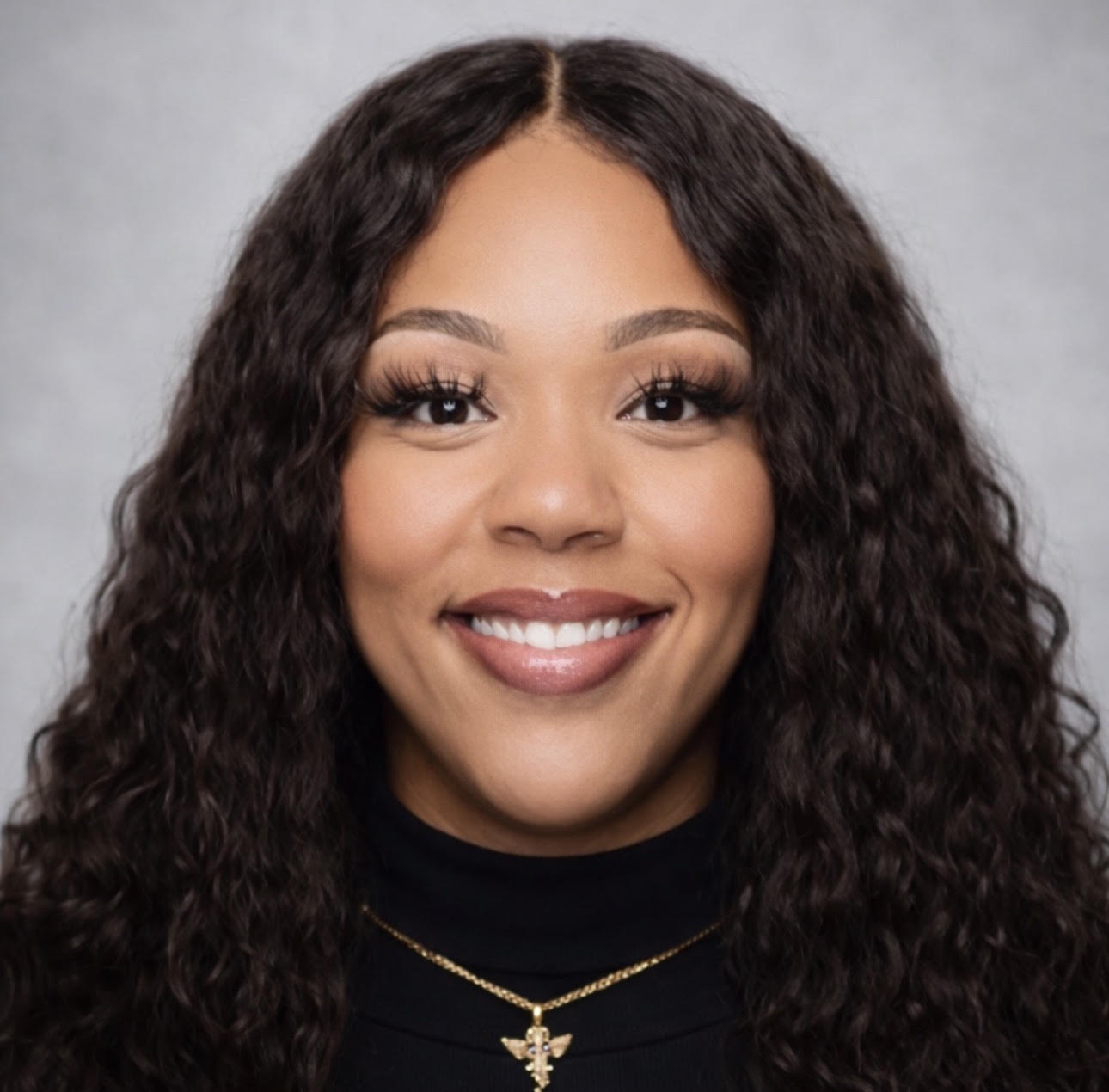
Through her platform, she explores Hoodoo and other supernatural and spiritual topics while challenging misconceptions that have followed the practice for generations.
“The biggest misconception I encounter, especially within the Black community, is that Hoodoo is automatically evil, demonic, or somehow incompatible with everything our ancestors believed,” Noah said. “What I find particularly interesting is that many people who condemn Hoodoo grew up around practices that overlap with Black American folk spirituality.”
She added, “You might have grown up with a grandmother who told you not to let someone sweep your feet. Maybe your family kept a Bible open to a particular Psalm, placed protective objects around the house, or had very specific beliefs about how hair should be handled. Those things didn’t necessarily come with an explanation. They were simply passed down.”
Those seemingly small traditions offer a window into a much larger history, one shaped by survival, spirituality and the preservation of African cultural knowledge in America.
What is Hoodoo?
Hoodoo, also known as “rootwork,’’ developed among enslaved Africans and their descendants in the United States. More than a collection of superstitions or rituals, the tradition reflects generations of spiritual knowledge shaped by the experiences of Black Americans.
“Hoodoo is a Black American folk spiritual tradition that developed through the experiences of enslaved Africans and their descendants in the United States,” Noah explained. “It incorporates West and Central African spiritual knowledge, Christianity, Indigenous botanical knowledge, and other cultural influences that shaped Black American life.”
Unlike traditions such as Haitian Vodou (voodoo) or Lucumí (also known as Santería to Afro-Caribbeans), Noah says Hoodoo does not have one universally recognized priesthood, initiation system, or centralized religious authority. “It’s a diverse tradition of conjure, rootwork, healing, protection, spiritual justice, and ancestral practices,” she said.
The practice has also drawn the attention of scholars and cultural historians seeking to document its significance within Black American life. In her 1931 essay, Hoodoo in America, renowned author and anthropologist Zora Neale Hurston described Hoodoo as a form of “pure spiritualism.”
She later published Mules and Men, a collection of African American folklore stemming from the author’s hometown of Eatonville to New Orleans. In more modern times, movies such as Ryan Coogler’s Sinners and the television series Lovecraft Country portrays Hoodoo as a source of protection and ancestral connection.
Nearly a century later, practitioners continue to describe Hoodoo as a living tradition that extends beyond spiritual rituals into everyday life, healing and cultural identity.
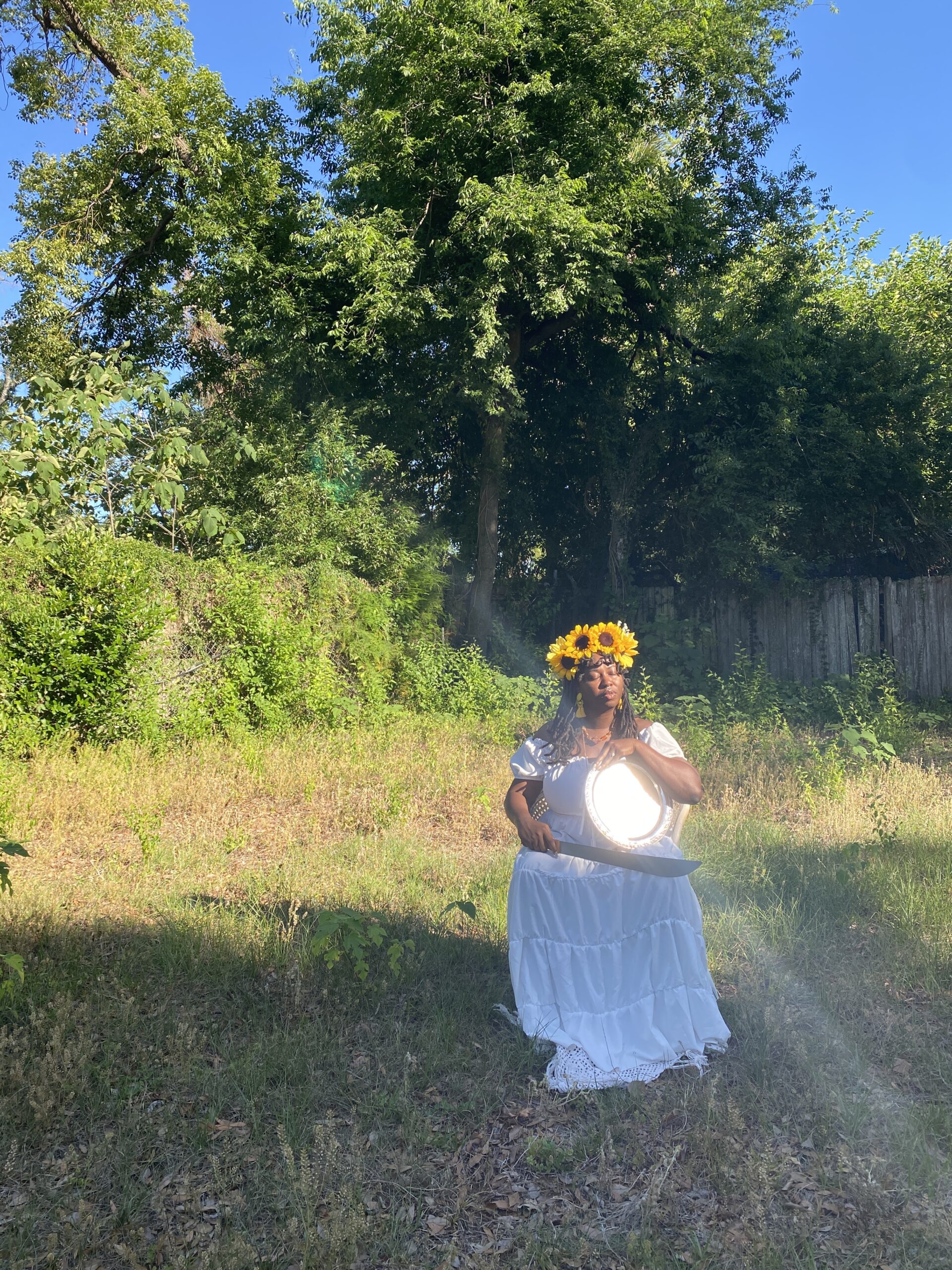
“To me, Hoodoo is remembering,” said Christy Marie, a healer, bodyworker and root worker who arrived to Hoodoo through personal exploration. “Hoodoo is medicine. Hoodoo is a system. Hoodoo is a living breathing practice. Hoodoo is healthcare. Hoodoo is transmutation. Hoodoo is allyship with the land. Hoodoo is ancestral.”
Marie, who is also a certified yoga instructor and owner of the Diviiine ‘Scense, a private garden sanctuary and apothecary in Tampa, has practiced Hoodoo for more than a decade. Before that she was raised as a Seventh Day Adventist and later attended nondenominational Christian churches.
As an adult, questions about faith, history and oppression prompted her to examine the role Christianity had played in Black American history. Marie describes leaving the church after struggling with Christianity’s historical use as a tool of oppression.
“I left the church and I did not look back. I intuitively began practicing what at the time I called Earth magic then later learning the correct terminology,” Marie said. “Through more study, I learned many of Hoodoo practices have been demonized, whitewashed and reclaimed as something else. I believe it’s ancestral though.”
Closed, ancestral practice
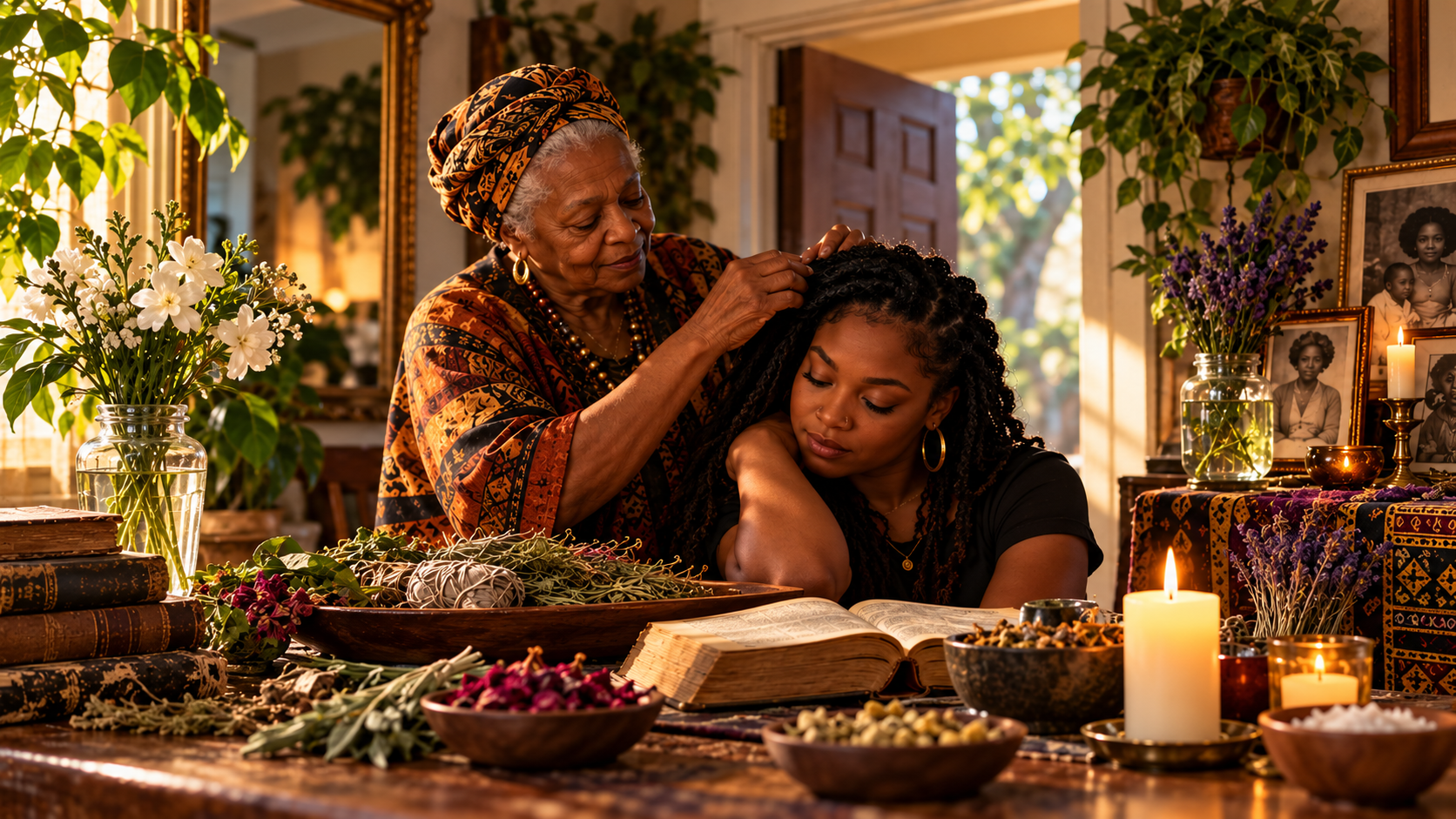
Both women describe Hoodoo as a closed ancestral practice rooted in the descendants of enslaved Black Americans. For Noah, that connection became even more personal when she began exploring her family history and discovered a lineage of Hoodoo practitioners, including a great-great-grandmother who was a conjure woman.
“I realized I hadn’t necessarily discovered something new,” Noah said. “I was reconnecting with something that had already existed within my family for generations.”
Yet the traditions Noah recognized in her family did not exist separately from Christianity. Like many Black Americans, she grew up attending church while also observing protective customs and spiritual practices at home.
“I think the relationship between Hoodoo and Christianity is one of the most misunderstood parts of our history,” Noah shared. “I grew up attending church, watching people receive prayer and having hands laid upon them for healing. Nobody questioned the belief that prayer, faith, and touch could bring about spiritual change.”
She added, “Yet outside of that setting, similar ideas about spiritual protection or healing are sometimes immediately labeled witchcraft or demonic.”
Noah is careful, however, not to suggest that every spiritual practice within the Black church should be categorized as Hoodoo. Laying hands on someone, for example, is not automatically a Hoodoo practice.
“What I’m saying is that Black American spirituality has always been more complex than the labels we use today,” she said.
A complicated spiritual history
That complexity is particularly relevant in a community where Christianity remains the dominant religious identity, even as alternative spiritual traditions become more visible.
African Americans practicing spirituality have grown and become more public in recent years, but it is still somewhat ostracized. According to a 2025 study from Pew Research Center, at least 73% of African Americans identify as Christians, 4% identify as non-Christians and another 22% who do not affiliate with any religion.
However, among Americans who do not identify with a religion, 83% of those who were Black believed in God, although they didn’t identify with Christianity or any other religion.
The findings underscore the distinction between religious affiliation and spiritual belief, a distinction that also informs conversations surrounding Hoodoo.
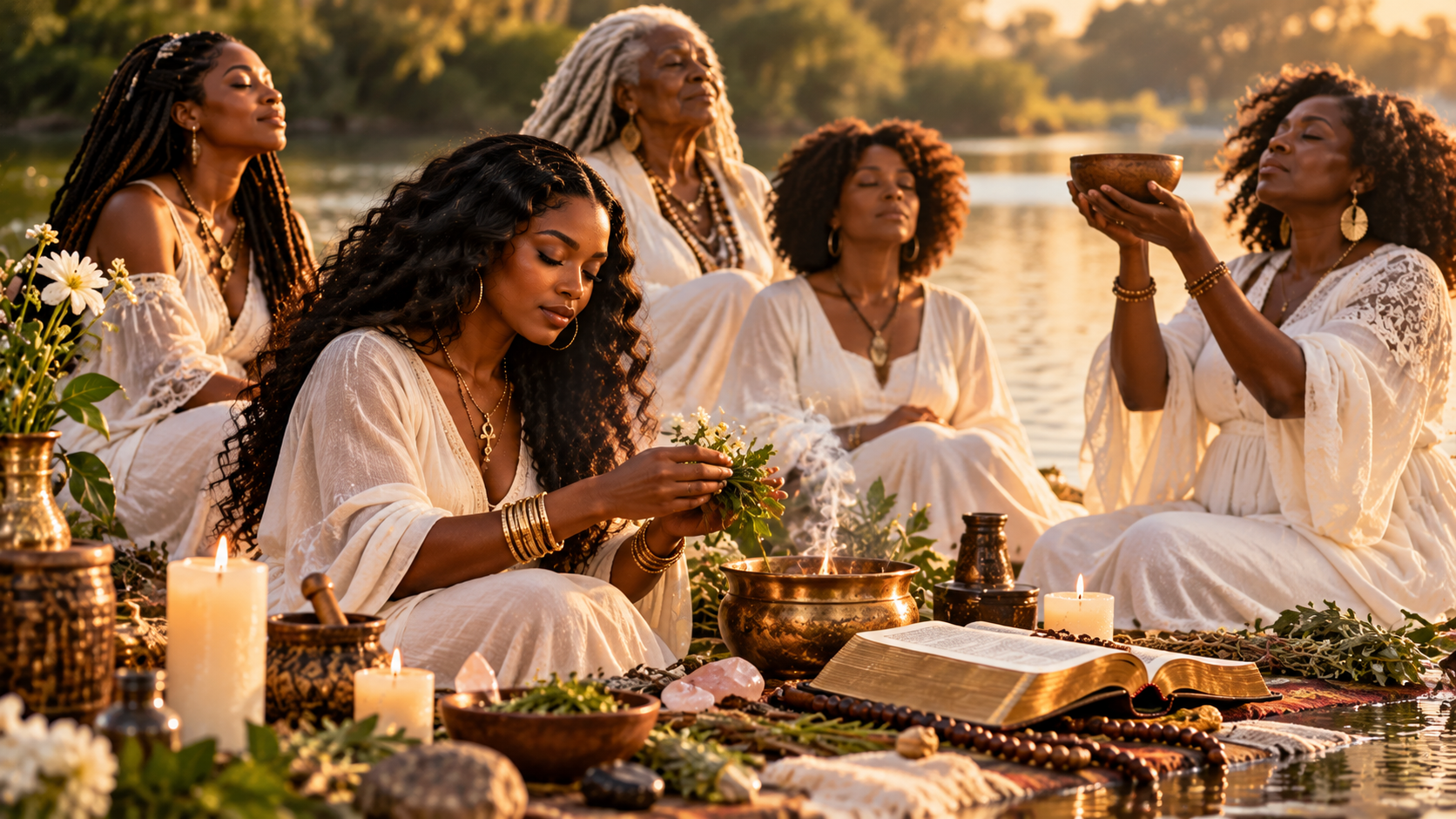
The Bible and Psalms, for instance, appear in many Hoodoo practices. While some view Christianity and Hoodoo as opposing belief systems, Noah says their histories are deeply intertwined.
“Something I wish more people understood is how deeply Hoodoo and the Black church have historically intersected,” she said. “When we discuss Hoodoo, we cannot separate it from the historical relationship between African spiritual traditions and Christianity.”
Dismantling misconceptions, is the practice evil or demonic?
Despite those historical connections, the stigma surrounding Hoodoo remains. Both women say the practice is frequently reduced to harmful stereotypes, particularly the belief that practitioners engage in something evil.
“A big one for me is that I am worshipping demons or that our ancestors are demons,” said Marie. “Which is ridiculous. These are our relatives who lived and breathed so that we could be here in this moment. And to strip them of their humanity is a degradation to all they have sacrificed.”
Another misconception is that Hoodoo focuses on primarily hexing, cursing, or harming people. Hollywood movies such as The Skeleton Key, Eve’s Bayou and Spell play on that stereotype.
“Yes, there are traditions of crossing, reversal, and justice work,” Noah said. “I’m not going to erase those aspects simply because they make people uncomfortable.”
She added, “But Hoodoo has also been about protecting homes, healing families, securing employment, attracting prosperity, and navigating a world where Black Americans were frequently denied justice and institutional protection.”
Social media presents another challenge. A dramatic candle ritual or carefully arranged collection of roots may get engagement but reveals little about lineage or responsibility. The concern is not simply how Hoodoo is portrayed, but what gets lost when generations of cultural knowledge are reduced to a trend.
“Hoodoo is not an aesthetic, and it isn’t something you can fully understand through a 60-second video,” Noah stated. “There is history behind these practices. There are family traditions, regional differences, cultural responsibilities, and generations of lived experience.”
Ancestral remembrance
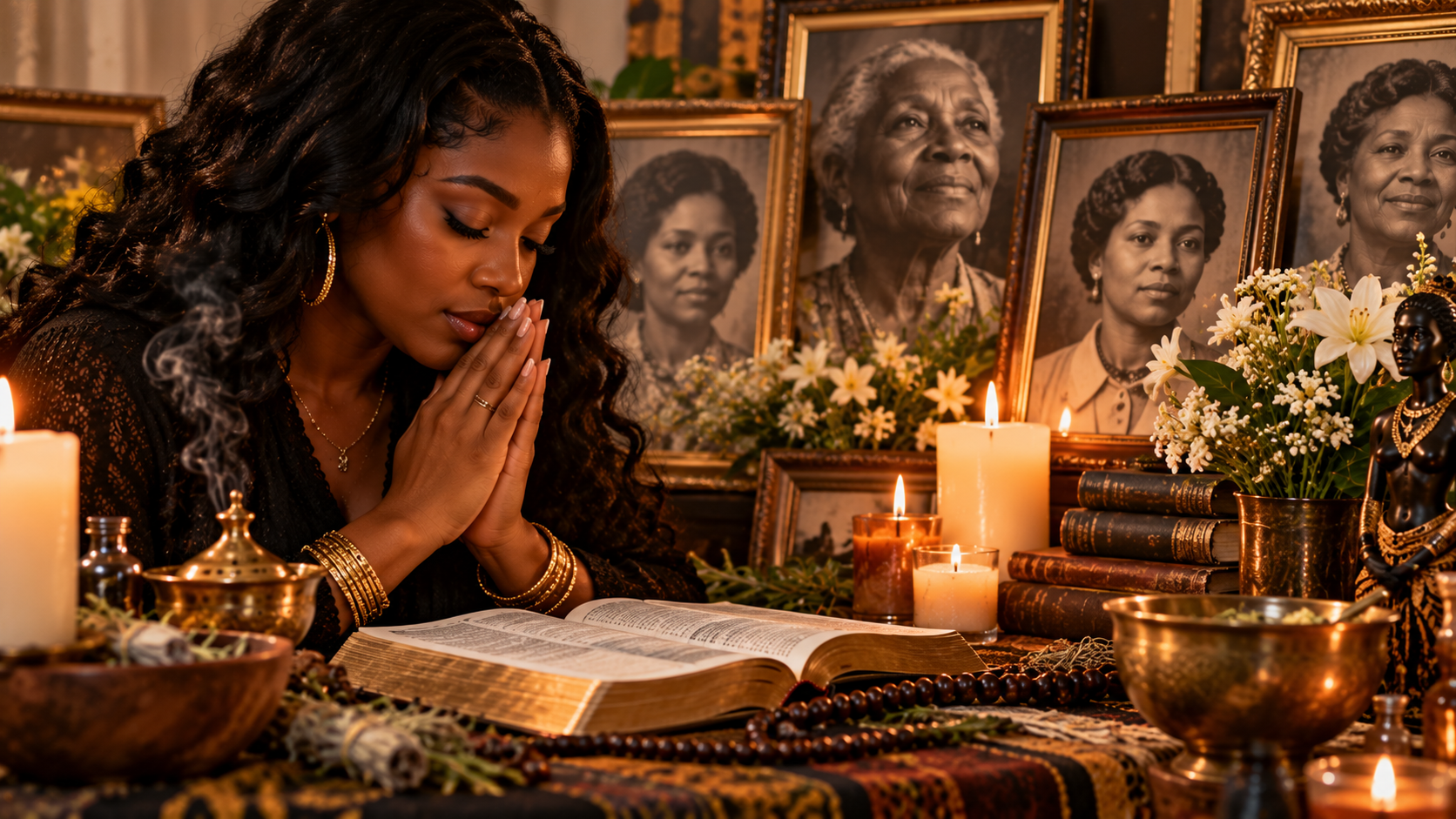
For Noah and Marie, preserving that history is as important as practicing the traditions themselves. Their work reflects a broader desire to ensure that the knowledge carried by previous generations is neither forgotten nor stripped of its cultural meaning.
Through The Black Culdron, Noah has built an audience of more than 201,000 subscribers on YouTube and 419,000 followers on TikTok.
While her content reaches a diverse audience, she uses her platform to educate, challenge misinformation and encourage Black Americans to reconnect with their history.
Central to that mission is a belief that Black ancestral history should be remembered for more than enslavement, oppression and suffering.
“Ancestral remembrance is especially important to me because I don’t believe our ancestors should only be remembered through the suffering they endured,” Noah said. “They were healers. They were conjure workers. They were mothers, fathers, innovators, and people who maintained their humanity, creativity, and spiritual agency under extraordinary circumstances.
Practicing Hoodoo is a way for Noah to honor their lives. “It’s also why I care so deeply about educating others. Through The Black Culdron, I want Black Americans to understand that our history extends far beyond what we were taught in school,” she related. “We inherited more than trauma. We inherited knowledge, ingenuity, resilience, and traditions that deserve to be remembered.”
That sense of ancestral connection has also shaped Marie’s understanding of herself and her place in the world. For Marie, Hoodoo has expanded identity and belonging, including a deeper sense of connection as a queer woman.
“I feel spiritually sound and more intentional with my character, staying true to my path because I know my honorable and benevolent ancestors got me covered,” Marie said.
Bigger than spell work, preserving traditions
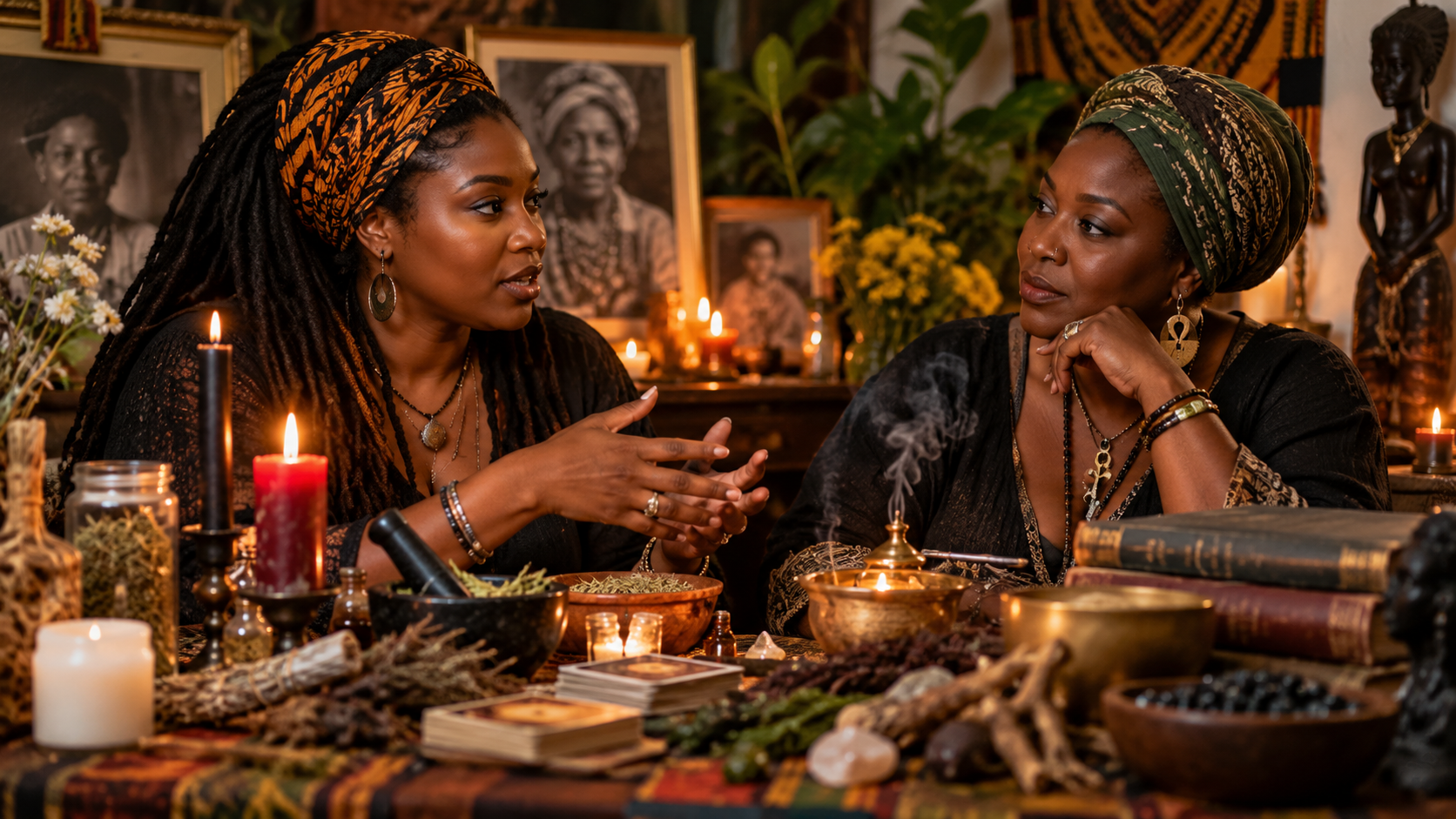
Beyond her personal practice, Marie hopes to help build a stronger Hoodoo community in Tampa, particularly among practitioners who have remained quiet about their beliefs but are seeking connection with others.
“I personally believe that this practice is not meant to be singular,” she said.
While both women emphasize the importance of community, they also believe reconnecting with ancestral knowledge can begin much closer to home and that journey does not necessarily require adopting Hoodoo as a spiritual practice. Sometimes, it begins with a conversation with an elder.
Ask why Grandma kept something above the doorway. Ask about the rules surrounding hair. Ask about prayers, remedies and customs. Ask who taught them and what they called the practice themselves.
“Not every family tradition is Hoodoo, but some of those customs may have connections to a much larger history that deserves to be explored,” Noah said. “And you don’t have to practice Hoodoo to appreciate its importance.”
Those conversations can offer more than an explanation for a childhood warning or a familiar household ritual. They can reveal how families preserved beliefs, protected one another and passed along knowledge during times when many aspects of Black cultural life were misunderstood, suppressed or dismissed.
“If there’s one thing I want people to understand, it’s that Hoodoo is so much bigger than spell work,” Noah explained. “It’s a part of Black American history. It’s about survival, protection, healing, resistance, and the preservation of cultural knowledge across generations. It’s also a reflection of the spiritual world our ancestors created by drawing upon West and Central African traditions, Christianity, and the knowledge they developed through their experiences in America.”