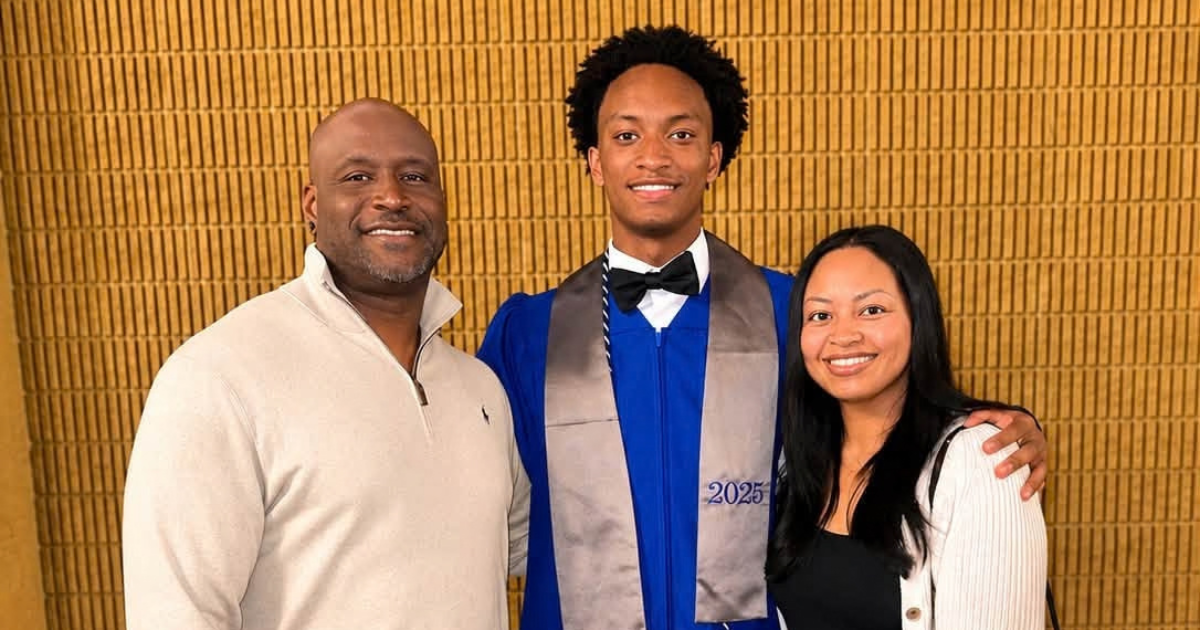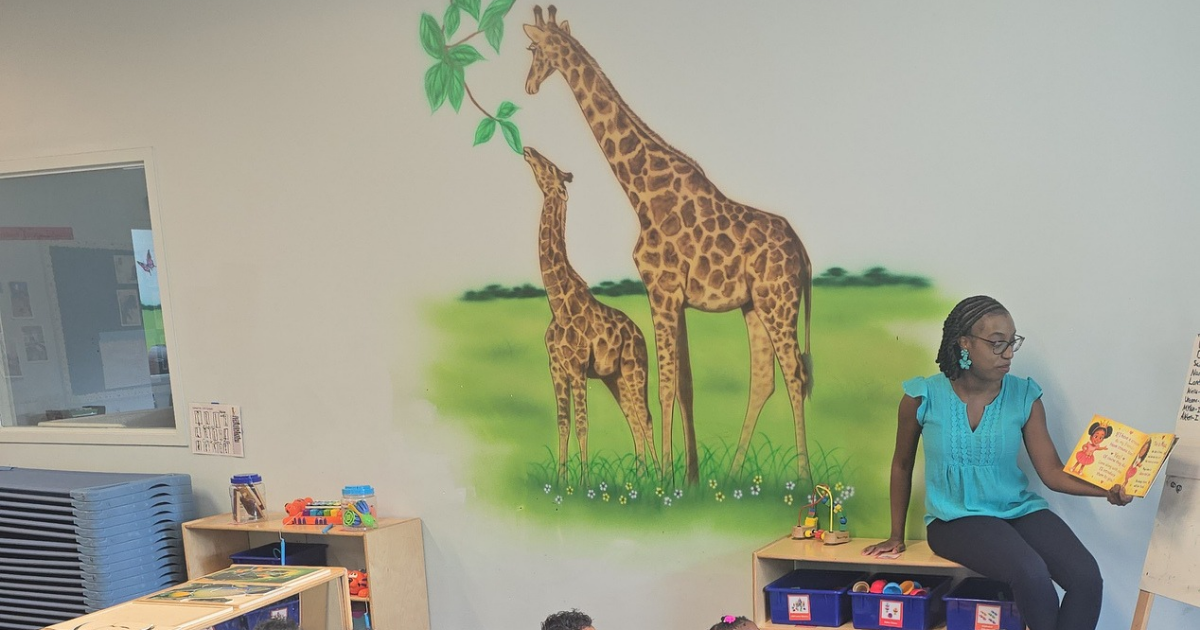
One thing about Naturi Naughton-Lewis is that she is always evolving. And in many ways, most of us have evolved with her. We’re talking to our millennial ladies, the same ones who had 3LW posters hanging on bedroom walls next to B2K and later made Power part of their Sunday night self-care routine. For more than two decades, we’ve watched Naturi grow from singer to actress to Broadway, producer, wife, mother, and entrepreneur, continuously redefining what success looks like on her own terms.
Today, that evolution extends behind the camera. Alongside her husband, producer and entrepreneur Two Lewis, Naturi is building a legacy through storytelling and ownership. Together, the couple produced the film The Tropic Sun and His Eyes, which recently premiered at the Tribeca Film Festival. And soon this multitalented Royal Woman will be returning back to where it all began, on the Broadway stage, where she will be joining the cast of the hit musical, The Great Gatsby.
Yet, perhaps her most transformative role has been motherhood.
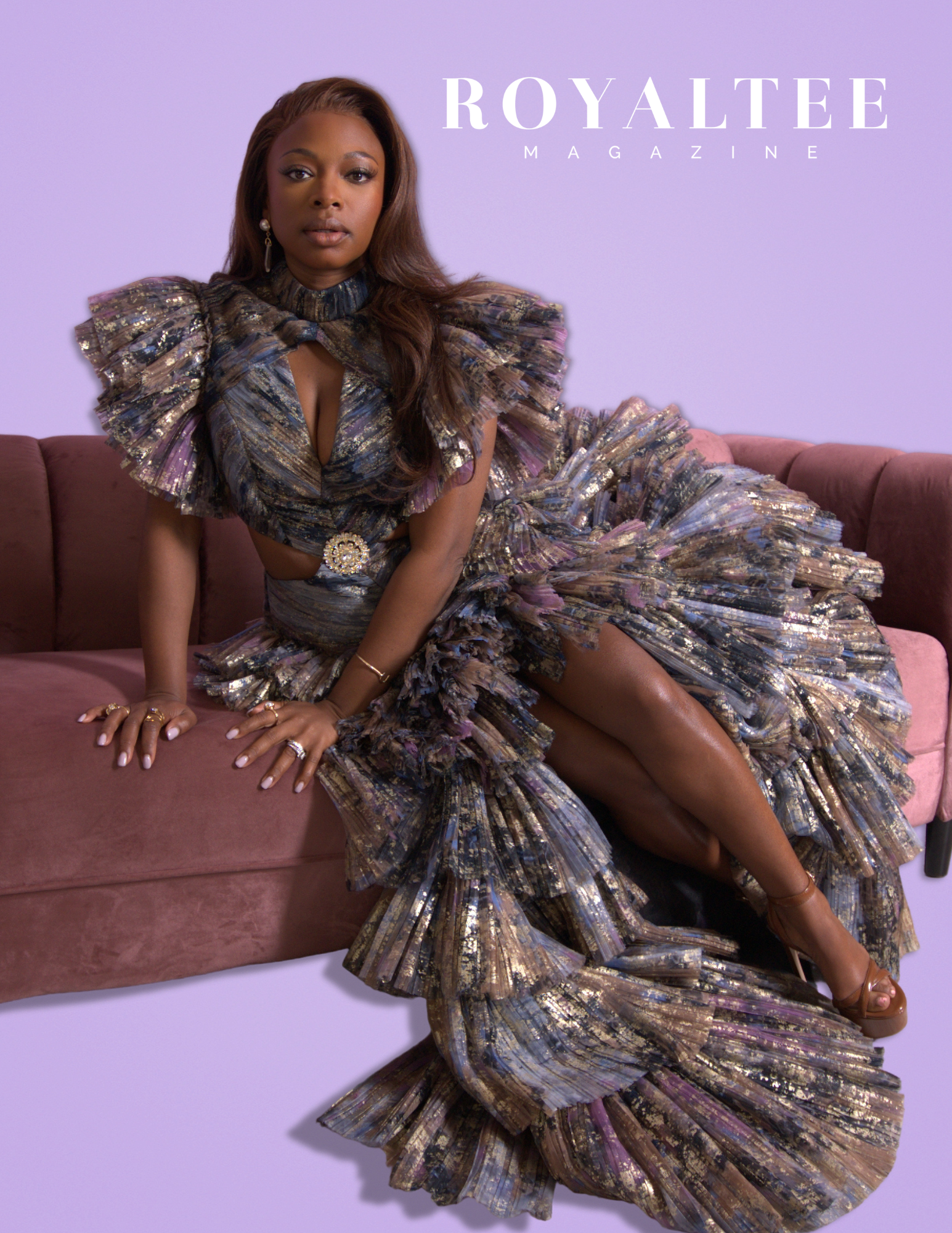
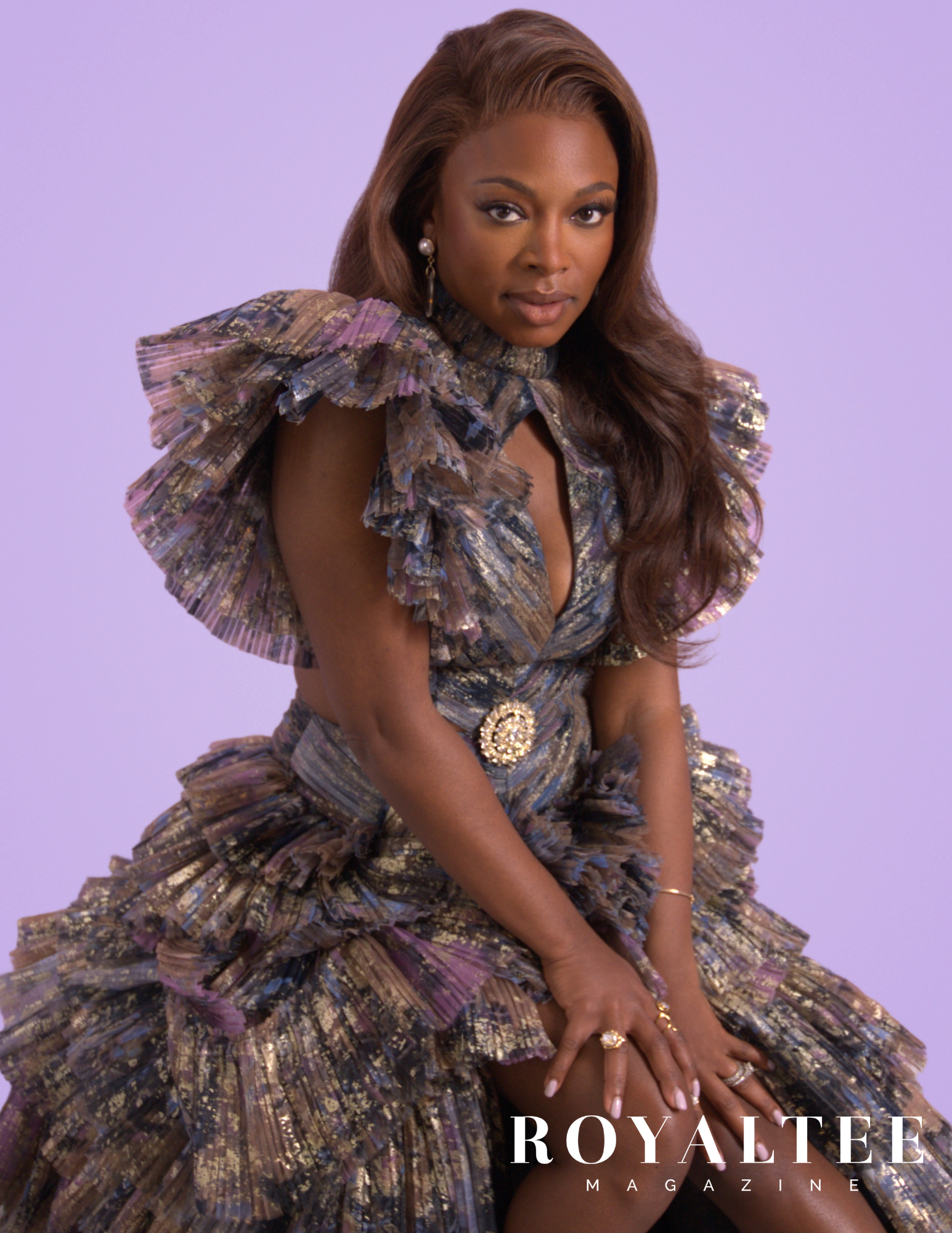
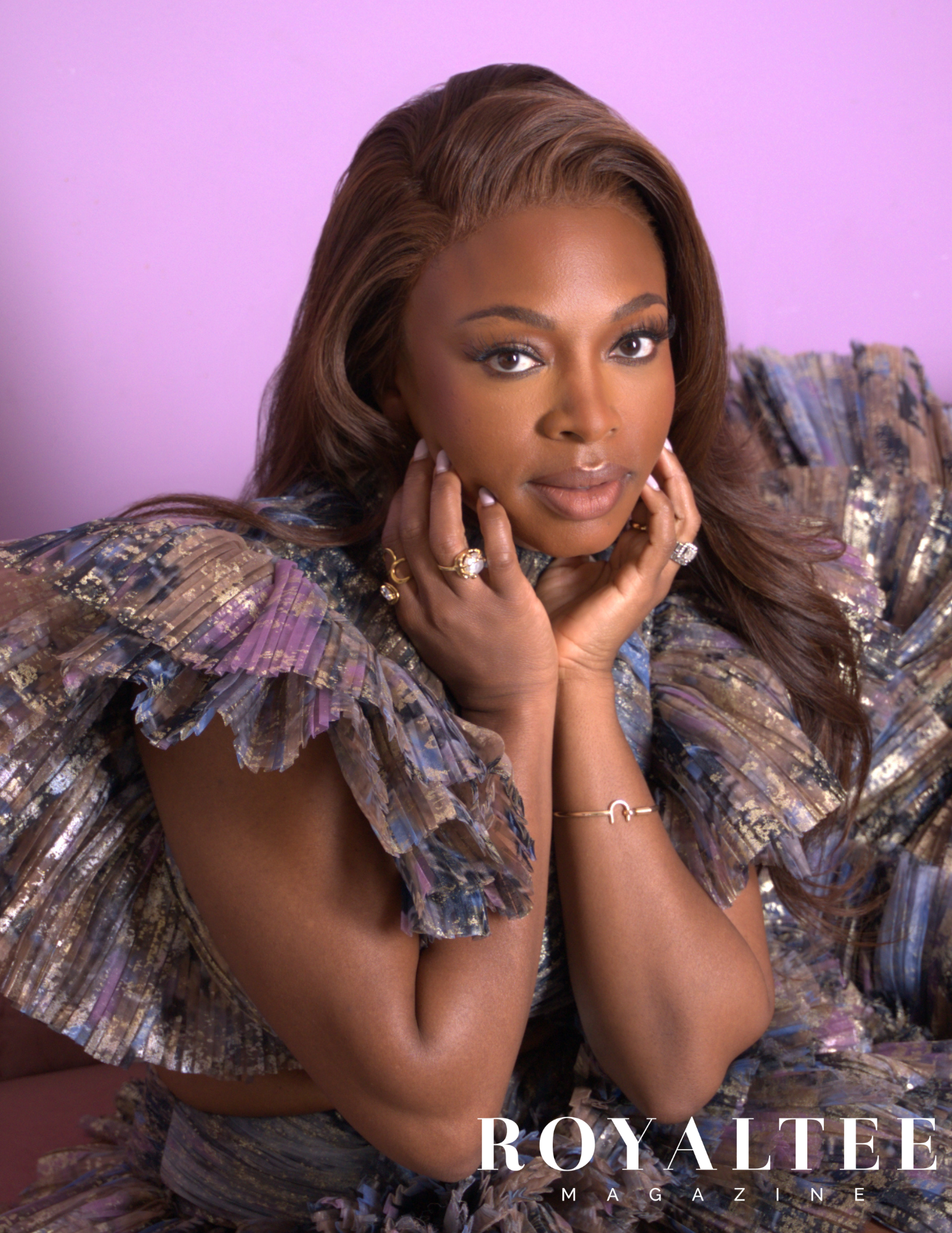
The mother of two is the cover star of our inaugural Crowned Motherhood edition. Naughton-Lewis opens up about her journey towards Black maternal health advocacy, postpartum and the healing power of finding your village.
Check out a snippet of our exclusive conversation below.
RM: Before becoming a mom, how aware were you of the disparities Black women faced in pregnancy and postpartum?
NL: There wasn’t a lot of discussions around this, and I think that it’s amazing that now we are having these conversations. But it’s unfortunate that we’re so late to these discussions and I feel it’s part of my purpose to raise my voice around these disparities in the issue.
RM: Did you experience any difficulties with your pregnancies?
NL: My first pregnancy was with my daughter, Zuri, who is now almost 9 [at the time of this interview]. When I was pregnant, I wasn’t in a strong relationship. I wasn’t married; I also wasn’t expecting to get pregnant. I was in the middle of shooting season four of Power. I was like, oh my gosh, Tasha is about to be a mom, so I was a little nervous. But I think I also didn’t have a lot of the resources and education…certain things that I had on my second [pregnancy], like a doula. And then I had a Black female doctor my second time around.
I wound up having an emergency C-section with my daughter, which I didn’t want, and I kind of like felt pushed and rushed into that decision, to be honest, but ultimately it was the best thing to do to make sure that my daughter was born healthy and safe, so I went on ahead and did it. But in the long run it affected my opportunity to have a vaginal natural birth with my second pregnancy. I wanted to do a VBAC [vaginal birth after cesarean].
My second pregnancy I felt so different, much more support. I was married; my husband and I had our first child together [True]. I also decided to get a doula, a wonderful black female doula from Brooklyn. Janee’ Aiken, really supported me and got my husband involved in the process as well, so that was really cool, just to learn about what my body can do, and what the process is of trying to be back to have a vaginal birth after C-section.
Dr. Kameelah Phillips, I was determined to find a Black female doctor, and when I found her, I just felt like I really was in the room with a big sister and auntie. Someone who genuinely cared about me, generally listened to my concerns, and helped me along… I was so heard… my son was born healthy, happy, it was a little scary. I was in labor for 42 hours. I realized, at the end of the day, I had a great support team, I had a great team, and everyone listened and advocated for me, and I think that made the difference.
RM: Did you experience any emotional shifts yourself after becoming a mother?
NL: I feel like physically and emotionally, my second pregnancy hit me a lot harder. I think, because I was older. I had my son at 39; I was almost 40 years old, and I think that emotionally I felt like my body wasn’t the same. I didn’t snap back as quickly as I did with my first. Thankfully I didn’t experience postpartum depression because I had my doula, even after support of having the baby, and I had a night nurse, and I had my parents, and I had my husband, so I was good, but I do think that there are levels to it. It may not have been like full on postpartum depression, but I definitely feel like there was a lot of emotional turmoil going on inside me. I felt like that was when I realized, like, okay, you’re really a mom now.
Physically I had a hard time recovering from my C-section the second time. I was physically in a lot of pain, and I wasn’t able to do a lot of things, which caused me to gain a significant amount of weight, which was very different for me. I felt like I lost a piece of myself and my identity, and I think that was what I experienced. The second time around I was definitely in a different body and a different mindset than I was the first time around. It took me some time to full rebound.
RM: So it’s a process?
NL: Definitely a process. I would say it’s like a two-year process to have a baby. It takes nine months, double that nine months, and then that’s the amount of time that it takes you to feel like yourself again. I was also a breastfeeding mom both times. I breastfed my daughter for nine months, I breastfed my son for about eight months. I loved that process, but my second time breastfeeding was so hard. I could not get my son to latch properly, and it was so painful, and it was so much physical stress. And then I felt inadequate that I wasn’t getting it. It was a lot of those emotions around not being successful at first and thank God I had a lactation consultant come to my home and help me and support me. Those are all things that I didn’t even know existed before, that you could even get.
RM: What advice would you give to Black mamas about building a village?
NL: Surround yourself around women who’ve done it before, like a mom friend group. Someone who has experienced some things that you haven’t. People who really can encourage you through that and not just meet you at your darkness and keep you there. If you’re in a dark place or feeling discouraged, you need someone to be that energy to pull you out of it. I always think it’s good to have people who push you a little bit… that could be helpful.
I think it’s also good to talk about it, share in a vlog, write about it. I think that when you get a lot of these things out, even if it’s just documenting your journey for yourself, it can be therapeutic and healing, and it can give other people a chance to connect with you.
This is only a glimpse into our conversation. Read more about our interview with Naturi in our Crowned Motherhood issue. The issue also includes our first Black maternal health directory featuring a list of doctors, doulas, midwives, therapists and other healthcare professionals in the maternal space.
Your crown is waiting.
Click here to order.
Credits:
Photography: Anthony Roberts/Dramatic Beautiful Art
Hair/Makeup: Stephen Hudson (IG: @sevenknows)
Purple Dress: Haleia (IG @haleia)
Accessories & Jewelry: ANiCE’ by Angel (IG: @anicebyangel)
Styling: Angel Neal (IG: @angel_stylistbehavior)
Stylist Assistants:
@estherlamour
@krisfashion1