“Black women keep investing their whole selves- mind, body and soul- in this precious experiment called America. It’s time for America to invest in them.” Van Jones, CNN commentator
Thank you, Black women!
The rapper Plies, comedian George Lopez and children’s entertainer Ms. Rachel (who is arguably our modern-day Mr. Rogers) are among the many who expressed their gratitude to the 92% who do it all.
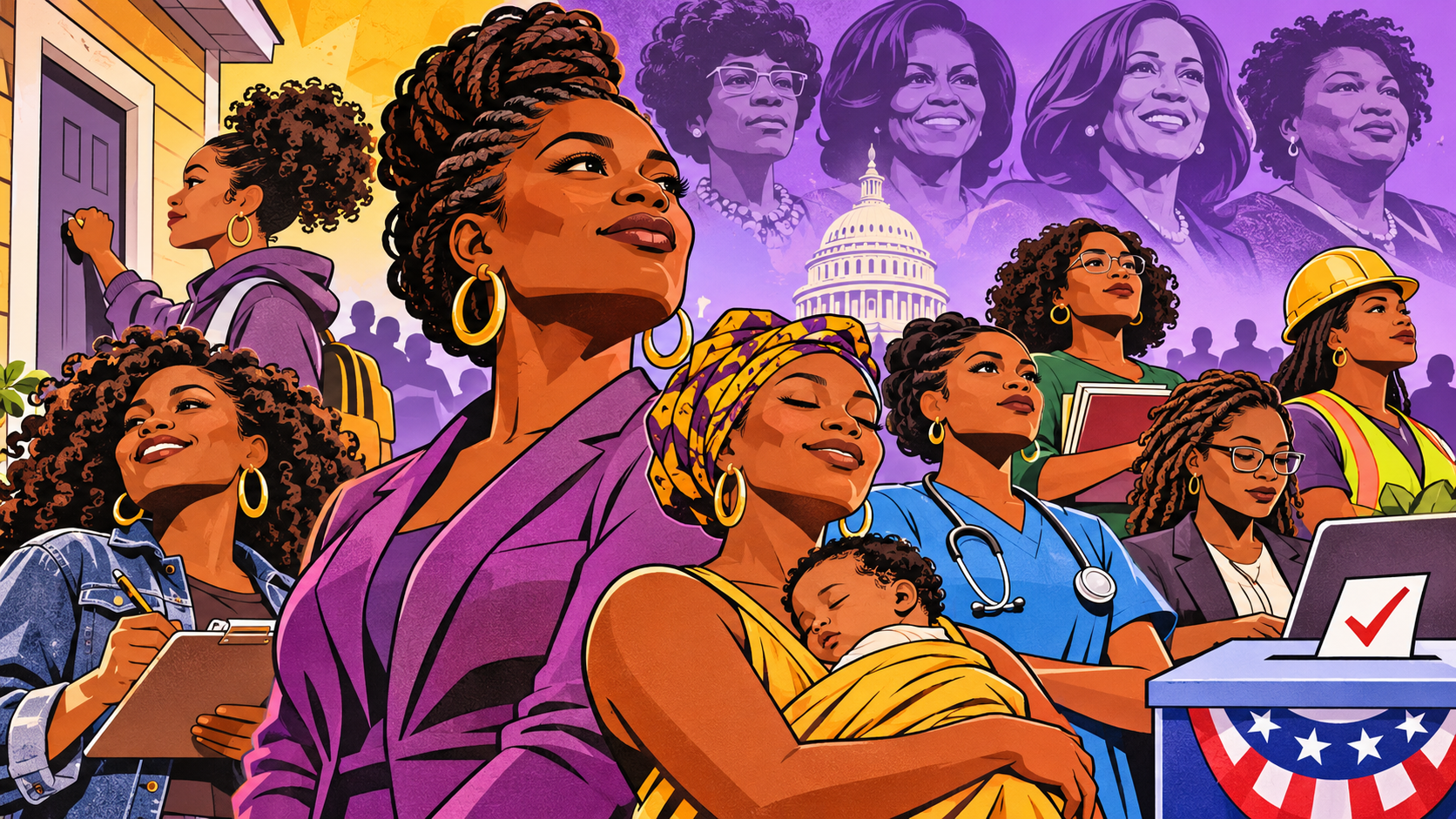
Black women are once again doing what we do best — showing up, making our voices heard and, as the familiar saying goes, saving everyone else.
And if the 2026 midterm elections proved anything, it’s that Black women continue to be a political force that cannot be ignored, from knocking on doors and mobilizing neighborhoods to volunteering for campaigns.
And the work has been done while navigating economic, social and health disparities.
But here’s the real tea: Black women are tired of being celebrated for saving democracy while still fighting to have their own needs addressed.
During the Nov. 3 elections, Black women overwhelmingly supported Democratic candidates, continuing a longstanding pattern of political engagement that has helped shape elections across the country.
Understood the assignment-as usual
Reported exit polling indicated that approximately 93% of Black women voters backed Democratic candidates, underscoring their influence in several closely watched races.
The election also delivered historic milestones for Black women in political leadership.
In Georgia, former Atlanta Mayor Keisha Lance Bottoms made history as the first Black woman elected governor of a U.S. state. Stacey Plaskett became the first Black woman elected governor of a U.S. territory, and Juliana Stratton secured a historic U.S. Senate victory in Illinois.
These victories represent more than political firsts. They reflect generations of Black women organizing, advocating and demanding a seat at tables where decisions are made.
From Shirley Chisholm who lit the torch by becoming the first Black woman in Congress and first Black woman to seek a nomination for president of the United States to Michelle Obama who became our first Black, former First Lady to former Vice President Kamala Harris, the first Black woman vice president and Stacey Abrams, the first Black woman to become a major party nominee for governor in the United States.
In my view, it was Abrams who made it possible for Bottoms and the other Black women-elect governors to run and win. Although she lost, she showed what was possible.
Who is showing up for us
It’s one thing to acknowledge Black women’s political power. It’s another to translate that influence into policies that improve our everyday lives.
Disparities continue to impact our day-to-day and communities. Maternal mortality is still at an all-time high for Black women.
Despite being the most qualified we are still the most unemployed. And let’s not get into our mental health.
And while historic political victories deserve recognition, representation alone doesn’t pay the bills, improve maternal health outcomes or close the racial wealth gap.
Advocates have increasingly called for political leaders to move beyond symbolic recognition and demonstrate measurable progress on issues affecting Black women and their families.
That means listening to Black women beyond election season, investing in their communities and ensuring their concerns are reflected in legislative priorities.
Black women deserve more than a thank you
There’s no denying the significance of the 2026 midterm elections and how Black women voters helped shape the political landscape and break barriers that once seemed impossible.
But perhaps the bigger story isn’t simply that Black women showed up again.
It’s the growing conversation about why they are repeatedly expected to carry so much of the responsibility for political change.
Black women are mothers, entrepreneurs, educators, professionals, community organizers and leaders whose contributions extend far beyond the ballot box.
Their political engagement deserves recognition, but their well-being deserves just as much attention. Because Black women shouldn’t have to save everyone else to be worthy of being prioritized.
And as newly elected leaders prepare to take office, one question deserves to remain in the front and center:
Black women showed up. Again. Now, who is going to show up for them?