Before she ever stepped into her work as a grief recovery specialist and pregnancy and infant loss advocate, Sadija Smiley was — and is — a mother. A mother who has known loss.
When Sadija Smiley was just 21 years old, she experienced the stillbirth of her daughter.
“The sudden shift from excitement to devastation happened so fast,” she shares about that intimate moment. “No one prepared me for the emotional free fall.”
She tells RoyalTee that she remembers seeing her daughter, Ivyanna, and realizing she had become a mother and lost a child in the same moment. “There was shock, disbelief, and an overwhelming sense of loneliness,” she shares. “I felt invisible, like my pain was too uncomfortable for the room. That moment changed how I see the world and myself forever.”
After leaving the hospital, she expected guidance, follow-up care, resources and the permission to grieve openly, but none came.
“I expected someone to guide me,” she says. “Instead, once I left the hospital, it felt like everyone expected me to move on. There was no roadmap for grief, no acknowledgment that my life had fundamentally changed. I was left to figure it out on my own at a time when I was barely functioning.”
Well-intended comments like “time heals all wounds” or “be strong” only deepened the isolation and made her feel misunderstood and weak.
“They shut down my interest to engage in any conversation instead of opening space for grief,” she says. Avoiding her grief only made her crumble more. During that time period, she lost not only her daughter, but her grandmother, her job and her marriage.
“Being told to be strong made me feel like I was weak and there was something wrong with my pain, like I was failing because I wasn’t handling it well,” she says.
Searching for something that would actually address her grief, rather than bypass it, Sadija discovered the Grief Recovery Method (GRM), a program developed by the Grief Recovery Institute, designed to help people move loss in a healthy way. Smiley shared what stood out to her most about GRM was its honesty. She didn’t feel the pressure to rush the process or minimize the pain. Instead, it gave her language for her loss and tools on how to navigate it.
The first client she tried the method on was herself. “That mattered to me,” she says. “I needed to experience the work firsthand, not from a professional lens, but as a grieving mother.”
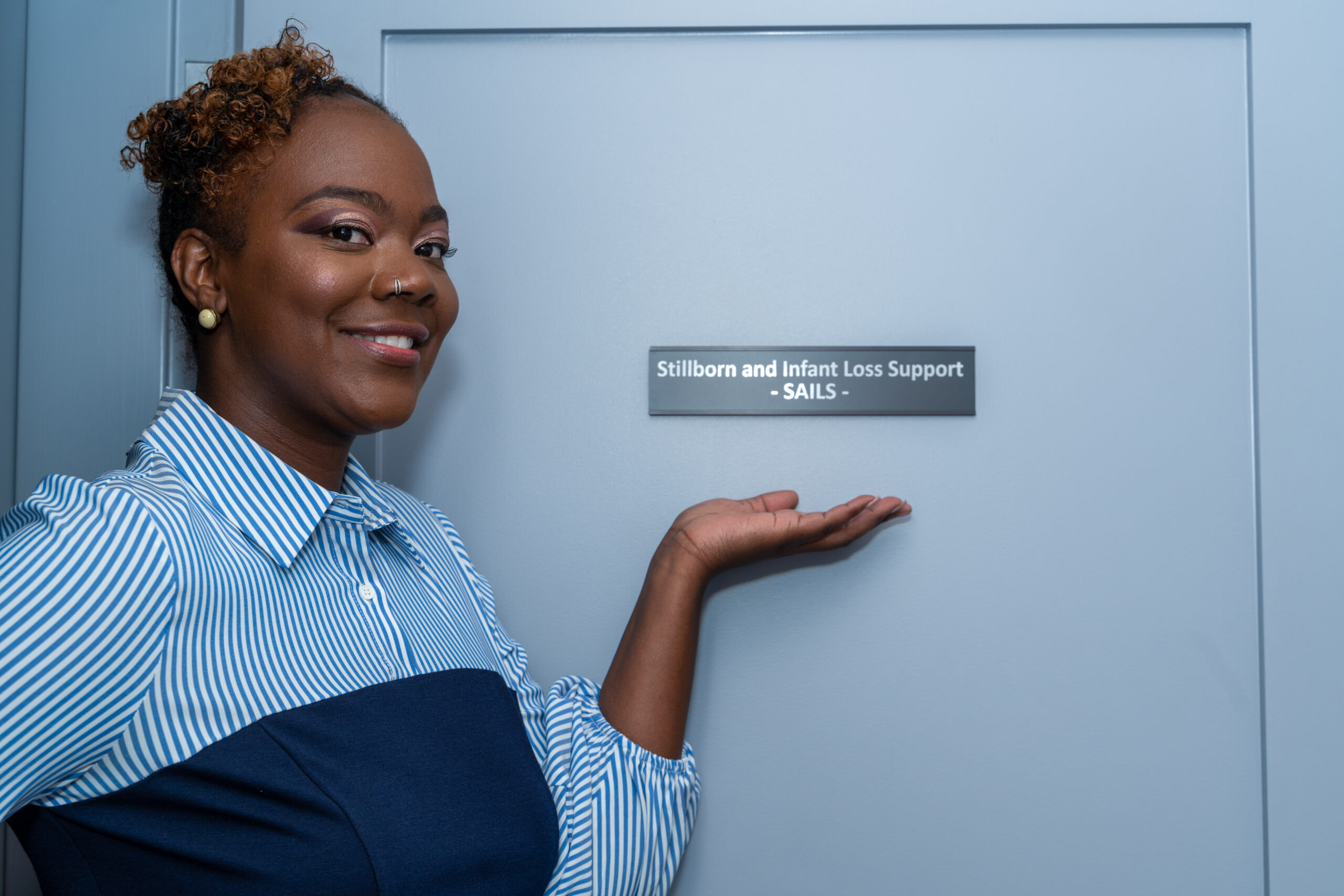
The Grief Recovery Method laid the foundation for what would become the Stillborn and Infant Loss Support (SAILS). As founder and CEO, Smiley and her team provide resources and support to families who have lost their baby. Dedicated to her daughter Ivyanna, SAILS offers services in support groups, both online and in-person. It also offers support in helping children navigating loss as well as pet loss.
“I wanted to create what I didn’t have, structured, compassionate support that honors grief and gives people a path forward without telling them how long it should take.”
Smiley services families primarily in the Washington, DC, Maryland, and Virginia areas.
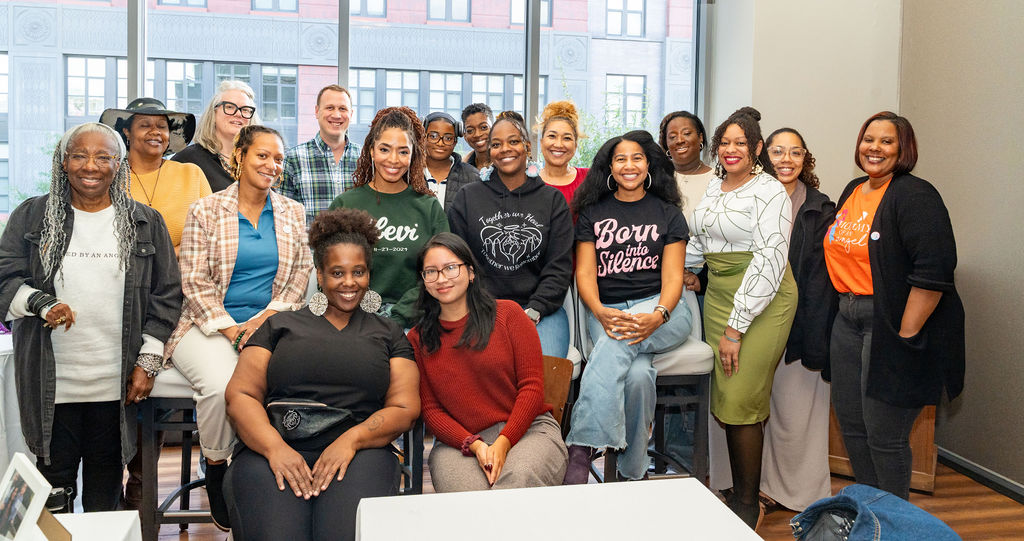
Smiley’s work is redefining what maternal wellness truly means. Having healthy pregnancies and safe deliveries is just a small part of it. It is also about holding mothers through every outcome. It is a testimony that grieving mothers are still mothers.
“At my core, I’m a mother,” says Smiley. “I’m a woman who loves deeply, feels fully, and believes in showing up for people in the ways I once needed. I’m thoughtful, reflective, and community-oriented. I’m also someone who has learned how to carry joy and grief in the same body. Beyond the work, I’m a sister, a daughter, a friend who values meaningful conversation, laughter, rest, and honesty. Everything I build is rooted in connection and care.”