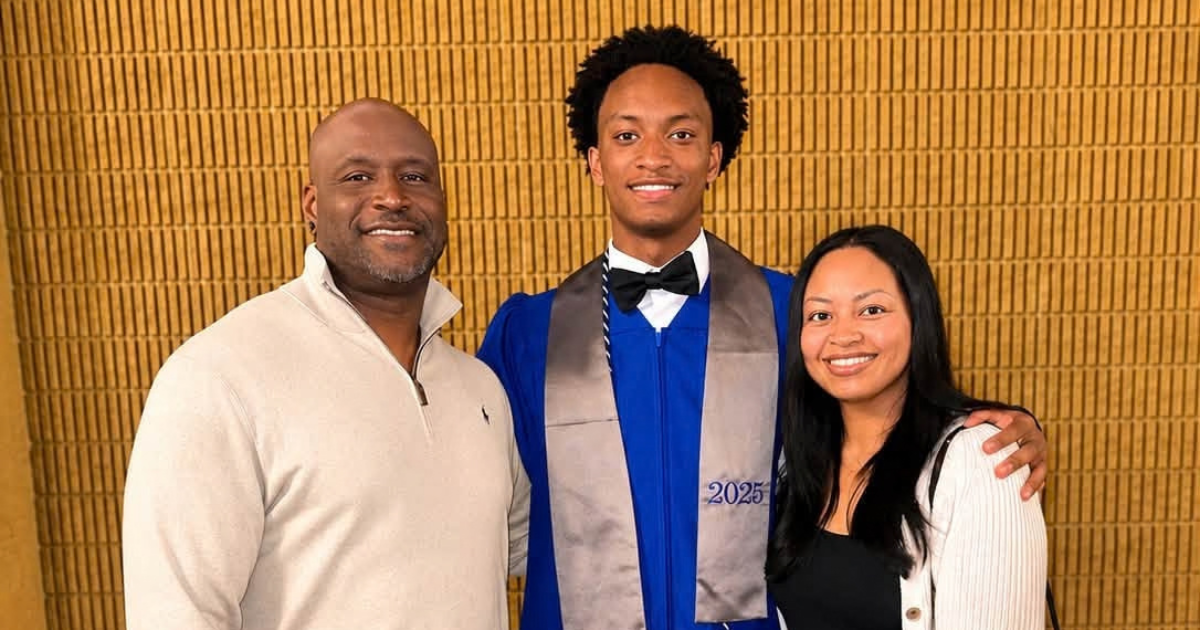
A Mississippi grand jury has declined to bring criminal charges in the death of Nolan Wells, an 18-year-old Black college student who disappeared during a Fourth of July trip to Horn Island. His body was found two days later. The decision has left his family still asking what happened to him.
The grand jury found no credible evidence of criminal conduct. Its report said the location and condition of Wells’ body were consistent with drowning. That finding did not establish a definitive cause of death: both the Mississippi medical examiner and an independent forensic pathologist hired by the family listed the cause and manner of death as undetermined.
The panel issued 132 subpoenas and heard from 43 witnesses through testimony, sworn statements and recorded interviews. It also reviewed forensic findings, cellphone information, videos and GPS data. The report said it could not determine what caused bruising on Wells’ body, including the back of his head. A witness described seeing Wells slip from a boat that day, but the grand jury could not say whether the fall caused the bruises.
For Wells’ parents and their attorneys, those unanswered questions remain central. Civil rights attorney Ben Crump, who represents the family, said the grand jury’s report left them with “more questions than answers.”
“We’ll never stop until we get to the truth,” family attorney Crump said in Tuesday’s press conference. “We’re going to fight until hell freezes over.”
The circumstances of Wells’ disappearance have also troubled his family. His friends returned to the mainland without him, and his phone was aboard a boat that left the island.
The grand jury report said it found nothing unusual or suspicious about people returning on different boats or leaving phones on another boat. District Attorney Angel Myers McIlrath has said there is no evidence that Wells’ death was racially motivated.
“The narrative that three white boys and a Black boy went to an island and only white friends returned spread like wildfire,” McIlrath said in a video statement. “This was false.”
The grand jury’s decision means no charges will be filed based on the evidence it reviewed. Its report says the case can be presented to a grand jury again if credible new evidence suggests Wells’ death was not accidental. For now, his family continues to press for a fuller account of his final hours.